
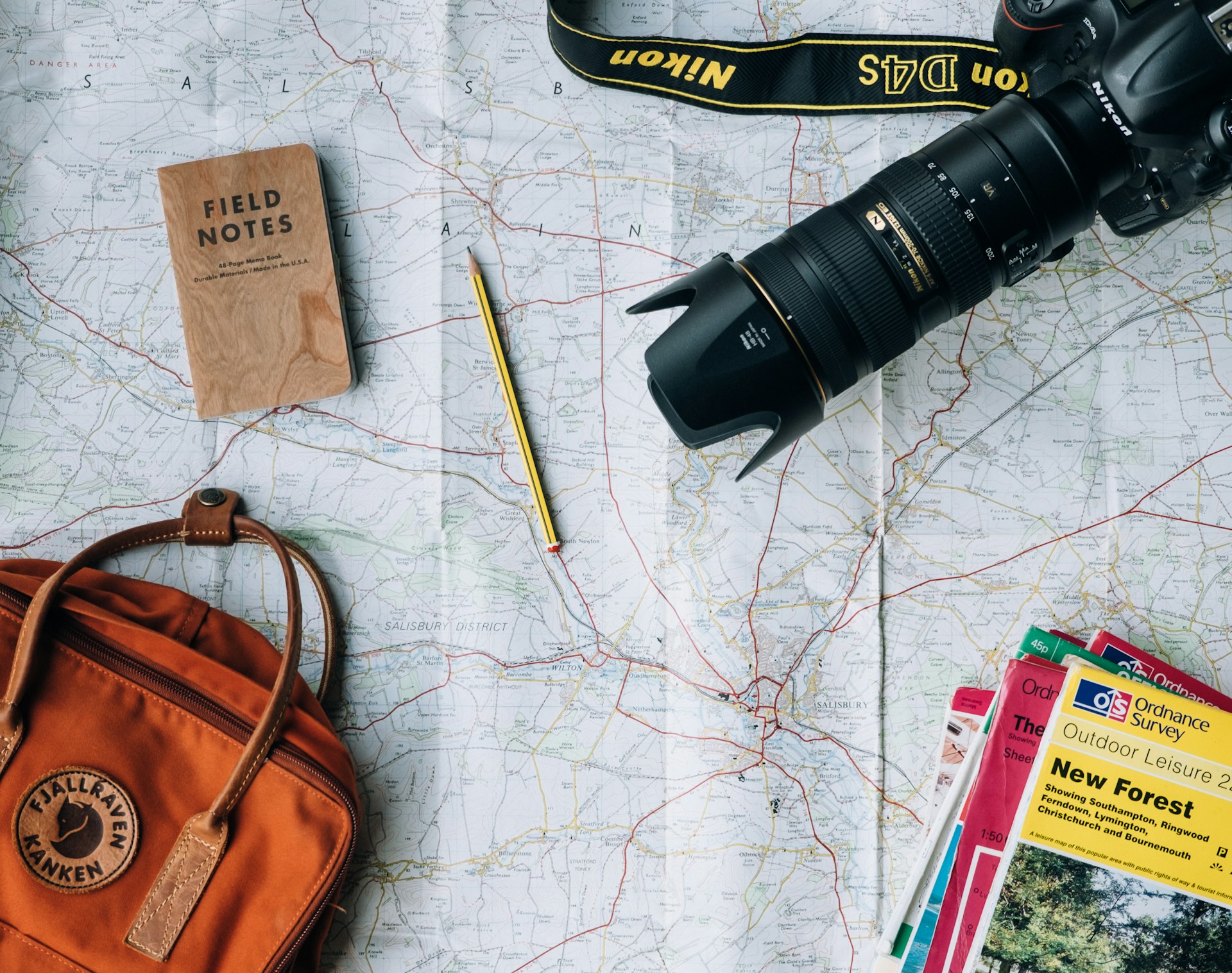
People generally assume travel planning means picking a destination, booking a flight and hotel, and maybe making a restaurant reservation or two. That's the visible part. It's maybe 20% of the actual work. Here's what the other 80% looks like, based on years of doing this professionally.
It Starts With Questions, Not Destinations
Before any research happens, the real starting point is figuring out what a trip is actually for. Is this a celebration? A reset from a stressful year? A trip built around a specific event? Traveling with kids, with a partner who hates crowds, with a group that has wildly different budgets? The destination matters less than people think — the same city can produce a completely different trip depending on who's going and why. Skipping this step is how people end up somewhere beautiful, doing things that don't actually suit them.
Researching Beyond the First Page of Results
Anyone can Google "best restaurants in [city]" and get a list. The problem is that most of those lists are recycled from each other, optimized for search engines rather than accuracy, or quietly sponsored. Real research means cross-referencing recent reviews (not ones from five years ago, when the chef may have left or the quality may have shifted), checking multiple independent sources, and knowing which sources are actually reliable versus which just rank well.
It also means knowing the difference between a place that's good and a place that's good for what you're looking for. A Michelin-starred restaurant and a phenomenal hole-in-the-wall can both be "the best meal of the trip" — they're just answering different questions.
Building in Realistic Logistics
This is the unglamorous middle layer of trip planning: how long transit actually takes (not the optimistic Google Maps estimate), whether a museum requires timed-entry tickets booked weeks out, whether a "quick day trip" destination is actually a 90-minute train each way, and whether a hotel's "walkable to everything" claim holds up once you're accounting for hills, heat, or a toddler.
Good planning also means sequencing a trip intelligently — grouping activities by geography so you're not crisscrossing a city, building in recovery time after long travel days, and leaving room for the spontaneous find that a rigid itinerary would crowd out.
Knowing Which Splurges Are Worth It
Not every upgrade is worth the money, and not every "budget" option is actually saving you anything once you factor in a worse location or a lower-quality experience. Part of real trip planning is having enough hands-on knowledge of specific properties and experiences to know where the money actually makes a difference — a room with a view that transforms a hotel stay, a skip-the-line pass that saves an entire afternoon — versus where it doesn't.
Having a Plan B Before You Need One
Flights get delayed. Restaurants close unexpectedly. Weather doesn't cooperate. A trip planned by someone experienced usually has some slack built in and a rough sense of what to do if something falls through — not a rigid, single-path itinerary that collapses the moment reality doesn't cooperate.
The Relationships That Don't Show Up in a Search
This is the part that's hardest to replicate on your own: knowing who to call when a hotel is "sold out" but actually has rooms for the right booking channel, which properties will do a genuine upgrade for a returning client versus which ones just say they will, and which local contacts can get a table at a restaurant that's booked solid online. None of that comes from a blog post (including this one) — it comes from doing this work repeatedly and maintaining the relationships that come with it.
None of this means you can't plan a great trip yourself — plenty of people do, and genuinely enjoy the process. But it's worth knowing what the difference actually is between a trip that's been quickly assembled from top-10 lists and one that's been properly planned. The gap shows up in small moments throughout the whole trip, even if it's invisible on the surface.