
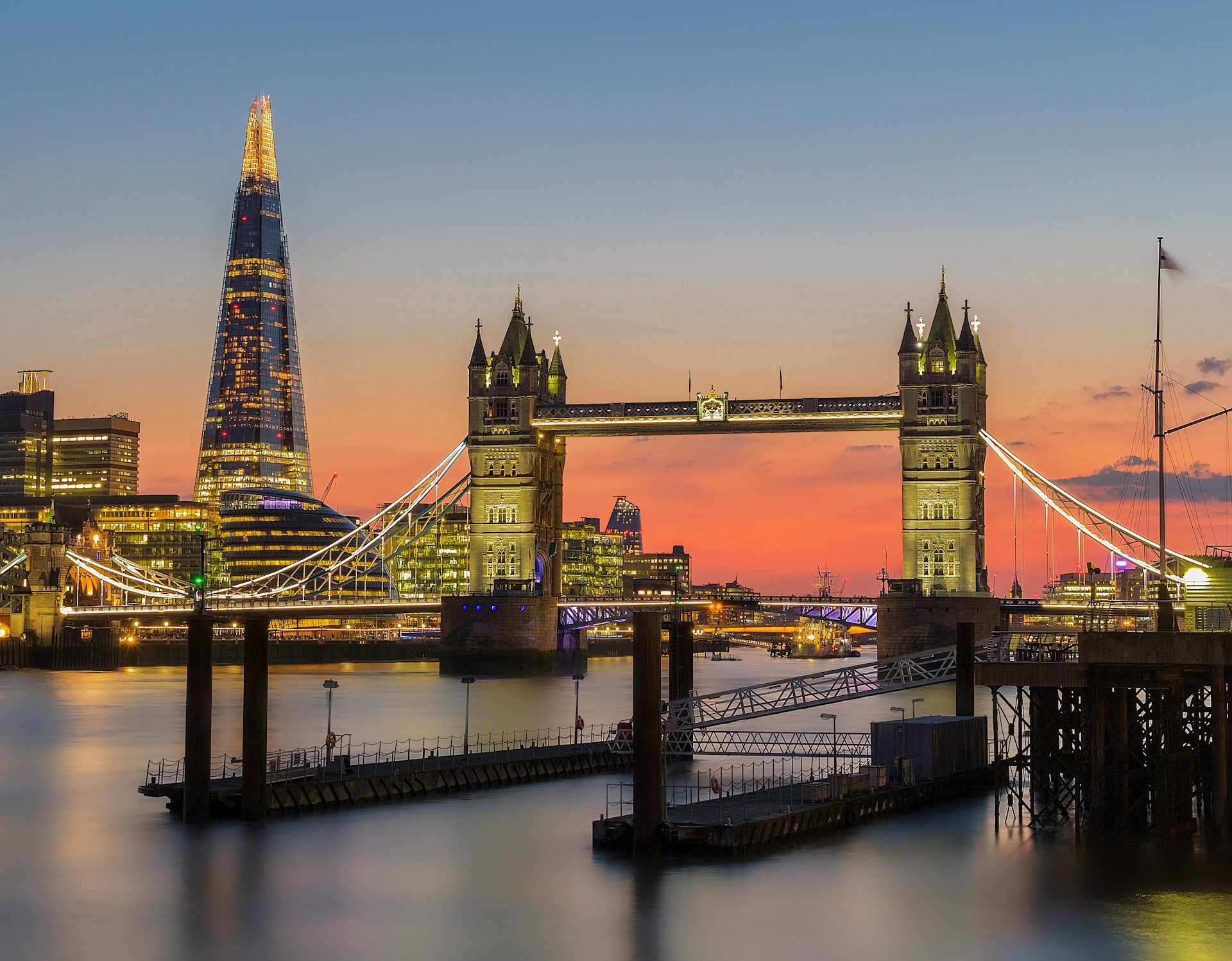
London rewards a well-planned long weekend better than almost any city I know. It's dense enough that four days feels genuinely productive, and layered enough that you could visit a dozen times and still find something new. Here's how I'd spend a long weekend there right now.
Before You Go: The One Thing That's Changed
If you haven't been to the UK recently, there's a new step in the process. As of February 2026, all US citizens traveling to the UK for tourism, business, or short-term study must have an approved Electronic Travel Authorisation (ETA) before boarding — you can no longer show up with just a passport. It's not a visa, and it's not complicated: it's a digital pre-screening system, similar to the US ESTA, that gets approved within minutes for most travelers. It currently costs £20 and is valid for two years across multiple visits. Apply through the official UK ETA app or gov.uk — a few days before you fly is plenty, but don't leave it for the airport.
Where to Stay
London's neighborhoods each have a distinct personality, so where you sleep shapes the whole trip.
For a first visit, I like Kensington or Mayfair as a base — central enough to walk to a lot, calm enough to actually sleep. The Gore in South Kensington is a favorite: a Victorian townhouse hotel packed with antiques and period character, tucked just around the corner from Royal Albert Hall, with rooms starting around £300 a night.
If you'd rather be in the middle of the action, Ham Yard Hotel in Soho is one of my go-to recommendations — a secluded courtyard hotel with a rooftop bar, a proper spa, and Kit Kemp's signature maximalist design, hidden just off the chaos of Soho's main streets. For something with serious pedigree, Rosewood London in Holborn occupies a grand Edwardian building and is one of the most consistently well-reviewed five-star properties in the city.
Getting Your Bearings
Resist the urge to try to "see" London in a weekend. It doesn't work that way, and trying will just make you tired and cranky. Instead, pick two or three areas per day and let yourself wander between the obvious sights and the in-between streets.
Day one, stay central: Westminster Abbey, the Houses of Parliament, and a walk along the South Bank toward Tate Modern. Day two, go east: the Tower of London and Tower Bridge in the morning, then Borough Market and London Bridge for the afternoon. Day three, pick a museum (the British Museum and the V&A are both worth a half day minimum) and spend the rest of the day in whichever neighborhood matches your interests — Notting Hill for market browsing, Shoreditch for a completely different, grittier energy.
Where to Eat
Borough Market is genuinely worth building a meal around, not just a quick photo stop. It's been in its current spot since 1956 and now has over 100 stalls — go hungry and graze rather than committing to one thing.
Right at the market's edge, Camille was named Time Out's Best Restaurant in London for 2026, and it's the kind of place I'd send anyone: a small, warm French bistro with a chalkboard menu that leans into rustic, British-sourced ingredients. It's cozy — stone floors, candlelight, a small bar — so it can get lively, and it's worth booking ahead. If you want a table with a view instead, head toward Tower Bridge — a handful of Thames-side spots in that stretch serve solid seafood with a postcard backdrop of the bridge itself.
For something a little different, the Borough Yards development just next to the market has become its own dining destination — Thai, Sri Lankan, and West African kitchens have all opened outposts there in the last couple of years, a good sign of how much London's food scene keeps evolving even in neighborhoods that already felt "figured out."
The Pace That Actually Works
The mistake most first-time visitors make is over-scheduling. London's transit is excellent, but a "quick five-minute tube ride" often becomes twenty once you factor in walking to the platform and changing lines. Build slack into each day, and let at least one afternoon be unstructured — you'll likely stumble onto something better than whatever you'd have scheduled instead.
Four days is enough to leave London feeling like you actually experienced it, rather than just photographed it. It's also, almost guaranteed, enough to make you start planning your next visit before you've left.