
Tokyo is spectacular, and nearly everyone who visits Japan should spend time there. But the country's character becomes clearer once you leave the capital, and three places in particular show different sides of it: Kyoto for tradition, Hakone for landscape and onsen culture, and Kanazawa for craft and calm.
Together, they make a trip that feels both rich and manageable. Here is how to think about each, along with several 2026 changes that affect your budget.
Kyoto: the famous one, done thoughtfully
Kyoto is the Japan many people picture: temples, wooden machiya townhouses, gardens, and geisha districts. It is also one of the busiest destinations in the country.
How to enjoy it:
- Go early. Sites like Fushimi Inari's thousands of torii gates are dramatically different at dawn than at midday.
- Mix the famous and the quiet. Pair a headline temple with a neighborhood walk or a smaller garden.
- Consider a ryokan stay. A traditional inn with tatami floors, a kaiseki dinner, and often an onsen bath is one of the most memorable ways to experience Japanese hospitality.
- Respect local rules. Parts of Gion, the historic geisha district, have placed restrictions on photography in private alleys because of overcrowding and bad behavior. Follow posted signs.
Plan for 2026: Kyoto introduced a revised, tiered accommodation tax in March 2026. The highest tier applies to the most expensive stays, and reports indicate it can reach as much as ¥10,000 per person per night for luxury properties. It is added on top of your room rate, so check how your hotel presents the total.
Hakone: mountains, hot springs, and a view of Fuji
About an hour and a half from central Tokyo, Hakone is the classic getaway for onsen, art, and scenery. It works well as a one- or two-night stay between Tokyo and Kyoto.
Highlights:
- A ryokan with an in-room or private onsen, the signature Hakone experience.
- The Hakone Open-Air Museum, which displays sculpture in a mountain setting.
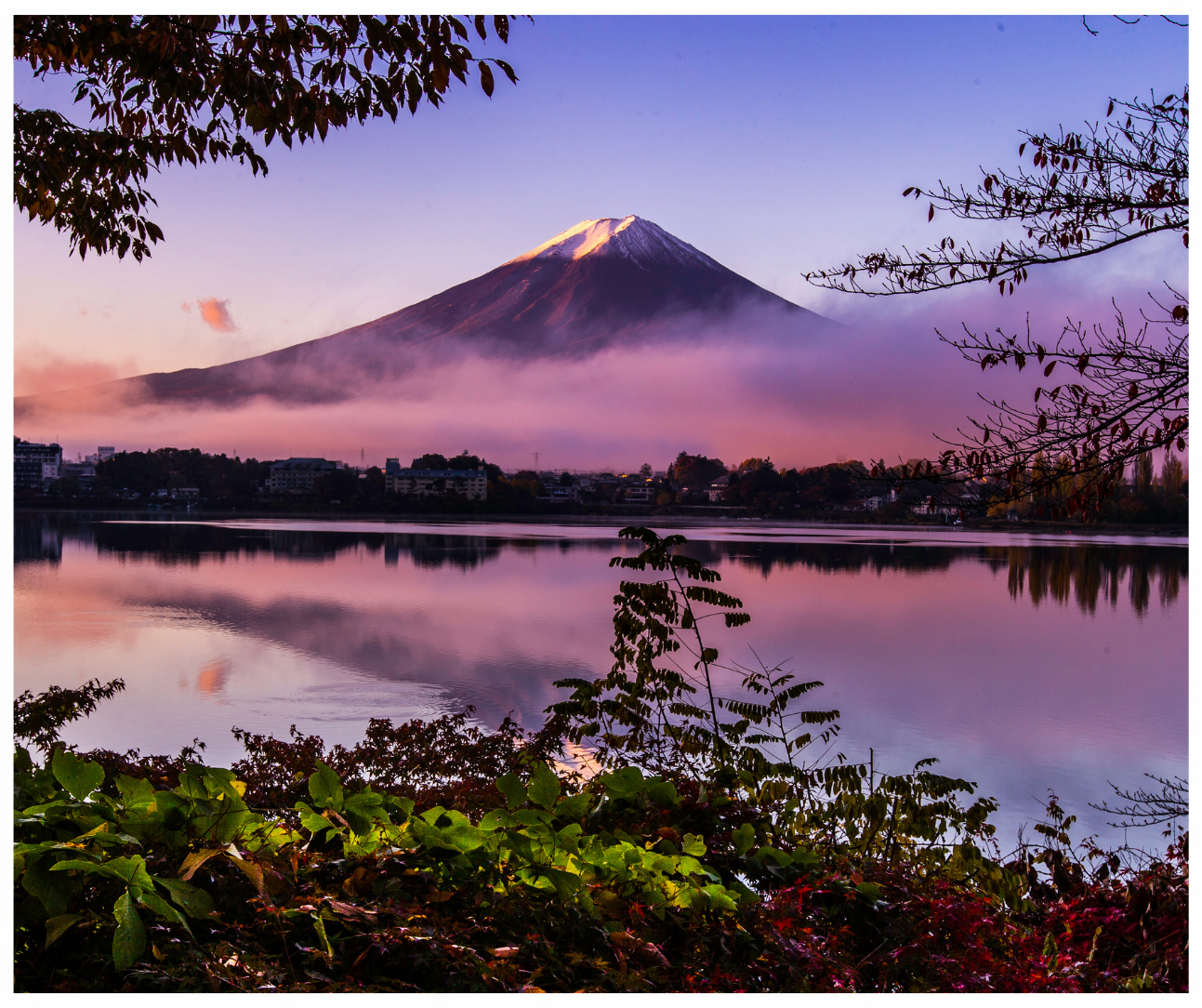
- A loop of cable cars, ropeways, and a lake cruise around Lake Ashi, which on a clear day offers views of Mount Fuji.
Practical tips:
- Weather determines Fuji views. Clear days are more common in cooler months, but nothing is guaranteed. Build in flexibility.
- Pack light for the transfer. Many travelers send large bags ahead by luggage forwarding, a convenient Japanese service, and carry an overnight bag to the ryokan.
- Stay overnight. A rushed day trip misses what makes Hakone special: the evening bath and the quiet.
Kanazawa: the refined alternative
On the Sea of Japan coast, Kanazawa escaped the wartime bombing that destroyed many other cities, and it preserves historic districts, a celebrated garden, and a living craft tradition. It is often described as a quieter, more intimate alternative to Kyoto.
What to do:
- Kenrokuen Garden, regarded as one of Japan's great landscape gardens.
- Higashi Chaya District, a preserved teahouse quarter with traditional architecture and gold-leaf crafts (Kanazawa is known for gold leaf).
- Omicho Market, for fresh seafood and local flavors.
- The 21st Century Museum of Contemporary Art, a contrast to the historic sights.
Getting there: The Hokuriku Shinkansen connects Tokyo and Kanazawa in roughly two and a half hours. Travelers coming from Kyoto or Osaka currently use a limited express train to Tsuruga and transfer to the Shinkansen, since the line has not yet been extended. Check the current routing when you plan.
A sample route
For a first trip, a balanced itinerary might look like this:
- Tokyo: 3 to 4 nights
- Hakone: 1 night
- Kyoto: 3 nights
- Kanazawa: 2 nights, then return to Tokyo by Shinkansen, or fly home from another gateway
Adjust the order and length to match your interests and flight options. Many travelers fly into one city and out of another to avoid backtracking.
What changed in 2026
Japan has made several changes affecting visitors. Confirm each with official sources, because details can shift.
- Departure tax. The international tourist departure tax rose from ¥1,000 to ¥3,000 per person starting in July 2026. It is generally included in your airfare.
- Tax-free shopping. Starting November 1, 2026, the system changes from immediate tax exemption at the store to a refund process when you leave the country. Plan to keep receipts and allow time at the airport.
- Accommodation taxes. Kyoto's increase is the most prominent, and a growing number of other municipalities have introduced or are introducing their own.
- JESTA. Japan plans a pre-travel authorization system, comparable to ESTA, but it is expected in 2028. It does not affect trips now. Beware of sites that claim to sell it.
Official information is available from the Japan National Tourism Organization at jnto.go.jp.
When to go
Spring cherry blossoms and autumn foliage are famous, and they are also the busiest and most expensive periods. The shoulder weeks around them, as well as early summer and winter, offer calmer conditions. Winter brings quiet temples and onsen weather, and is especially good in Hakone and Kanazawa.
Why planning matters in Japan
The country is easy to navigate once you are there, but the best ryokan and restaurants require reservations well in advance, and peak seasons sell out. An advisor can help sequence the stays, arrange luggage forwarding, and secure the dining and experiences that are hard to book from abroad.
Jaunt Around Travel creates Japan itineraries that go beyond the first-timer's checklist. Fees, rules, and train routes change; confirm current details with official sources before you travel.