
The Amalfi Coast earns its fame. It is also, in high season, among the most crowded places in Italy, with narrow roads, packed boats, and prices to match.
If you love Italy but want a different feel, three regions offer alternatives that could not be more different from one another: Tuscany for rolling hills and food, Puglia for sun-baked whitewashed towns and the sea, and the Dolomites for mountain drama. All are worth building a trip around.
Tuscany: the classic, with room to breathe
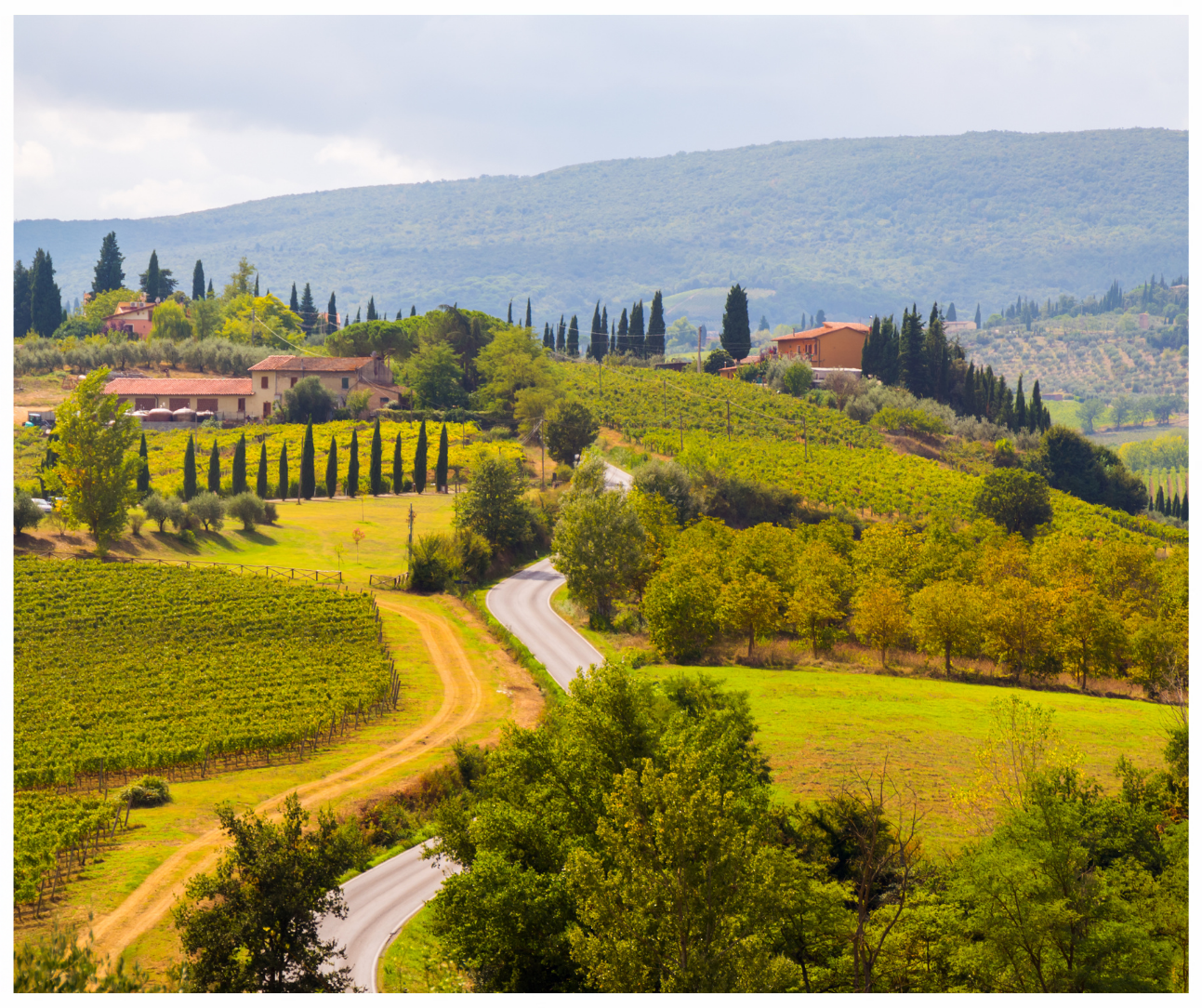
Tuscany is the Italy of postcards: cypress-lined roads, hill towns, vineyards, and long lunches. Because it is popular, the trick is to look past the most famous stops.
Where to base yourself:
- Florence for art, architecture, and food, and a hub for day trips.
- The Val d'Orcia for the landscapes people think of when they imagine Tuscany. Towns such as Pienza and Montalcino sit within easy reach of each other.
- Smaller hill towns and agriturismi (working farms with lodging) for a quieter experience.
What to do: Visit wineries, take a cooking class, wander a market, and drive slowly. Tuscany rewards time spent doing very little.
Best times: Spring and early autumn offer pleasant weather and softer crowds. Summer is hot and busy, while late autumn brings harvest season and mist.
Puglia: the heel of the boot
Puglia, in Italy's southeast, has risen in popularity in recent years, but it still feels less overrun than the better-known regions. Its landscape is flat and sunny, dotted with olive groves, stone walls, and whitewashed towns. The food is excellent, simple, and rooted in local produce.
Don't miss:
- The Itria Valley, home to towns like Ostuni (the "White City"), Locorotondo, and Alberobello, famous for its conical-roofed trulli houses.
- Lecce, a baroque city with ornate stone buildings and a lively dining scene.
- Polignano a Mare, a clifftop town above the sea.
- Masserie, fortified farmhouses converted into hotels, which are among the region's most appealing places to stay.
Best times: Late spring and early autumn give you warm weather without peak-summer crowds and heat. Many beach clubs and restaurants close or reduce hours in winter.
Logistics: Public transportation is limited in the countryside, so most travelers rent a car for at least part of the trip.
The Dolomites: Italy's mountain side
The Dolomites, in the country's northeast, are a UNESCO World Heritage landscape of jagged pale peaks, alpine meadows, and villages with a distinct blend of Italian and Austrian culture. German is widely spoken in parts of the region.
Highlights:
- Alpe di Siusi, Europe's largest high-altitude meadow.
- Seceda, a ridgeline famous for its dramatic views, reached by cable car from Ortisei.
- Lago di Braies (Pragser Wildsee), a turquoise alpine lake.
- Cortina d'Ampezzo, a classic mountain resort town that hosted events of the 2026 Winter Olympics.
Important for 2026 and beyond: The most photographed spots have introduced access controls to manage crowds. At Lago di Braies, traffic restrictions and reservation requirements applied during peak summer months in 2026, and some popular viewpoints and cable cars now call for advance timed bookings. Rules change from season to season, so check the official local tourism sites before you go, and book early for summer.
Best times: Late June through September for hiking and lifts, and December through March for skiing. Shoulder seasons can mean closed huts and lifts.
Driving in Italy: what to know
Renting a car makes sense in Tuscany, Puglia, and the Dolomites, but there are rules that catch visitors out.
- ZTL zones. Many historic centers restrict traffic to residents and permitted vehicles. Entering without permission can result in fines mailed to you weeks later. Ask your hotel how to handle this.
- International Driving Permit. US drivers are generally required to carry one alongside their license. It is inexpensive and available through AAA.
- Narrow roads and parking. Choose a smaller car, and plan where you will park.
- Manual transmissions are the default; automatics cost more and are limited.
How to choose between them
- Choose Tuscany if you want food, wine, art, and a gentle pace.
- Choose Puglia if you want sun, sea, seafood, and a less polished, more local feel.
- Choose the Dolomites if you want to hike, ski, or simply be surrounded by mountains.
You can combine them, but the distances are considerable. Tuscany and Puglia are a long drive or a short flight apart, and the Dolomites are a different world again. Many travelers do best choosing two regions and giving each enough time.
Pairing with the classics
None of this means skipping Rome, Venice, or the Amalfi Coast. It means thinking about where you want the trip to spend its time. A week split between a major city and one slower region often feels richer than racing through five stops.
Planning matters here
Rural Italy relies on small, family-run properties with limited rooms, and the best ones sell out. An advisor can help match region, season, and lodging, and make the logistics of rental cars and transfers less stressful.
Jaunt Around Travel designs Italy trips that move beyond the usual circuit. Access rules, fees, and seasonal operations change; confirm with official tourism sites before booking. For Amalfi, see our Destination Debrief.