
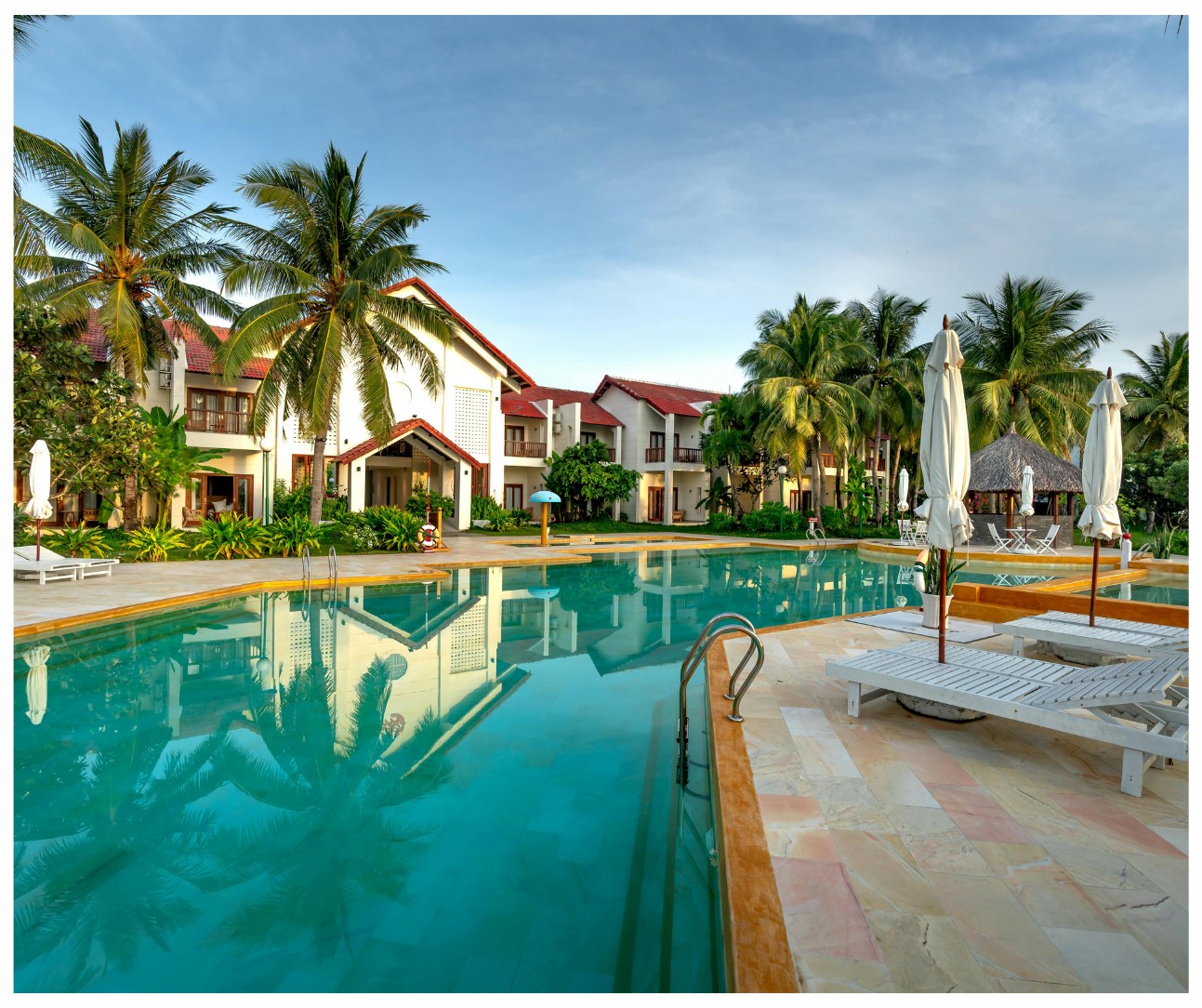
All-inclusive resorts have a simple appeal: pay once, and stop thinking about the bill. For the right traveler, they are a genuinely excellent way to vacation.
For the wrong one, they can be a disappointment. The term "all-inclusive" covers a staggering range, from basic beach hotels with buffets to ultra-luxury properties with private butlers and à la carte dining. Knowing what you are buying matters more than the label.
Start with who is traveling
The best resort for a couple on a honeymoon is not the best resort for a family with three children or a group of friends celebrating a milestone birthday.
- Couples seeking romance and quiet often prefer adults-only properties, which tend to have calmer pools and a more refined atmosphere.
- Families should look for kids' clubs, family suites, and shallow, supervised swimming areas.
- Groups benefit from properties with varied dining, activities, and plenty of space to spread out.
- Active travelers may want a resort with watersports, fitness programs, and excursions close by.
Understand the tiers
Within a single brand, you will often find several levels of inclusion. Higher categories may offer upgraded rooms, preferred pool areas, premium liquor, private lounges, and dining reservations. Before you compare prices, compare what is actually included.
Ask specifically:
- Which restaurants are included, and do they require reservations?
- Are drinks premium or house brands? Premium spirits often cost more.
- Is room service included, and are there fees at certain hours?
- Are non-motorized water sports included? Motorized ones usually are not.
- Are tips included? Some properties include gratuities; others expect them.
- Are there resort fees or taxes that are not part of the quoted price?
The size of the resort matters
Larger resorts offer variety: many restaurants, multiple pools, and plenty of activities. But they can also feel crowded and impersonal, and long walks across the property are a fact of life. Smaller resorts feel more intimate but may have fewer dining options and amenities.
Neither is better. It depends on whether you prefer choice or calm.
Check the beach, not just the resort
This is one of the most common regrets. A resort can be beautiful and still sit on a beach you cannot enjoy.
- Seaweed. Some Caribbean coastlines receive heavy seasonal sargassum seaweed, which can affect the beach and the water. It varies by year and by location.
- Rough water. Certain beaches have strong currents or waves that make swimming difficult or unsafe. Some famous resort areas fall into this category.
- Rocky shorelines. Some properties lack a true swimming beach and rely on pools.
Look for recent traveler photos and feedback, not only official images, and ask an advisor who knows the area.
Dining: where all-inclusive often falls short
Food is where expectations meet reality. Buffets can be fine, but if great dining is a priority for your trip, look carefully.
- Count the à la carte restaurants, and find out whether reservations are required.
- Check how many nights you can dine in specialty restaurants. On a long stay, you may exhaust the options.
- Consider whether you want the freedom to eat out in the surrounding area. An all-inclusive plan can feel wasteful if you spend a lot of time off the property.
Location and logistics
Transfer time. A resort that is far from the airport adds hours to your arrival and departure days. Check the distance and the transfer method.
What is nearby. If you want to explore, make sure there are safe, interesting options outside the resort. If you want to stay put, it matters less.
Weather and season. Hurricane season, rainy seasons, and peak holiday periods all change the experience and the price.
Check the current status of the property
After storms or renovations, resorts can close for extended periods or reopen in phases. For example, parts of Jamaica are still rebuilding after Hurricane Melissa in October 2025, and several properties in the Montego Bay area have had delayed reopenings. Before booking, confirm that the specific resort is operating and that any renovations are complete.
Read recent feedback carefully
Look for patterns, not single complaints. Repeated mentions of the same problem, whether it is service, cleanliness, or food, are more telling than one bad review. Note how recent the feedback is, as properties change quickly with new ownership or renovations.
When all-inclusive is not the best choice
All-inclusive is not always better value. If you rarely drink alcohol, tend to eat light, or want to explore restaurants and local culture, paying as you go may be cheaper and more satisfying. It is worth doing a rough calculation before deciding.
Questions to ask before booking
- What exactly is included in my room category?
- What is not included?
- How is the beach in this season?
- How far is it from the airport?
- When was the property last renovated?
- What are the cancellation terms?
Where an advisor adds value
Advisors can help you compare the true cost across tiers and spot the details that photos do not show, such as which wing is quieter or which pool area is better for your travel style. Firsthand knowledge of properties is hard to replace.
Jaunt Around Travel helps travelers compare resorts and find the right fit. Inclusions, policies, and operating status change; verify details with the resort before booking.