
Every long-haul flight raises the same question at some point: is it worth paying more for a better seat? The answer depends on the flight, the traveler, and what the first day of the trip is supposed to feel like.
The three cabins are not just three price points. They are three different experiences, and understanding the differences makes the decision much less abstract.
What each cabin generally offers
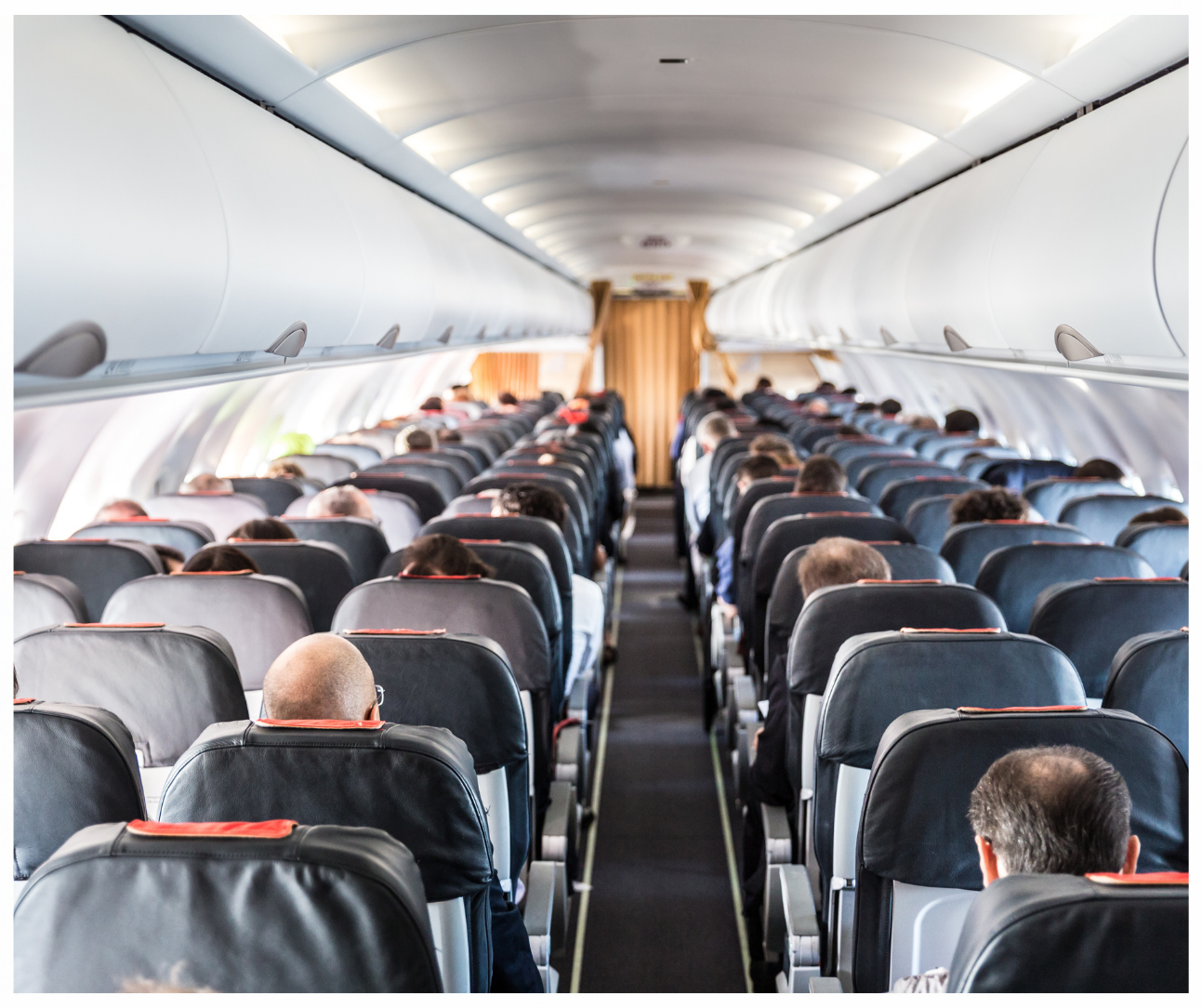
Economy. The baseline. You get a seat and standard service. On long-haul routes, that often means limited legroom, a fixed seatback, and a seat that does not recline into anything resembling a bed.
Premium economy. A separate cabin, usually with a wider seat, more legroom, a larger recline, and a footrest or leg rest on some carriers. Meals and service are typically a step above economy. It is not a flat bed, though, and on some airlines the difference from economy is modest.
Business class. The cabin built for sleep. On most long-haul international flights, seats convert into a lie-flat bed or something close to it, with direct aisle access on many carriers, better food and drink, and priority services on the ground.
Cabin quality varies enormously between airlines and even between aircraft on the same airline. Two carriers on the same route can offer very different products, so it is worth checking the specific seat before you buy.
The key question: how long is the flight?
Flight length is the most useful guide.
Under about 4 to 5 hours. The upgrade rarely pays off. Premium economy or even a good economy seat is usually enough, and domestic first class is a different product from international business class.
6 to 8 hours (such as many transatlantic routes). Premium economy is a compelling middle ground, particularly on daytime flights. Business class is more valuable on overnight flights, where sleep determines how the first day goes.
9 hours or more (such as to Asia, Australia, or southern Africa). This is where business class earns its price for many travelers. A lie-flat bed on a long overnight flight is the difference between arriving functional and arriving wrecked.
Think about the purpose of the trip
Business travelers and people who need to be sharp on arrival. If you are walking into a meeting or a major event, sleep is part of the job. Business class is often justified.
Honeymooners and milestone trips. Starting a special trip well can be worth it, particularly if you are paying for expensive hotels at the other end. Arriving rested lets you enjoy what you have paid for.
Travelers with physical considerations. Back problems, long legs, or difficulty sleeping upright can make a better seat more of a necessity than a luxury.
Budget-driven trips. If the total trip budget is tight, the money may go further at the destination. A great week in a mid-range hotel can beat a business class flight followed by a cramped stay.
Where premium economy shines
Premium economy is often best when:
- The flight is moderate in length or a daytime route.
- You want more space but cannot justify the business class premium.
- The airline's premium economy is a genuinely distinct product, with a dedicated cabin and a noticeable seat upgrade.
Where it can disappoint is on airlines whose premium economy is only a few inches of extra legroom, or where the price is close enough to business class that the latter becomes a better value.
Do the math on the price gap
A useful exercise is to compare the incremental cost. If the difference between premium economy and business is relatively small on your dates, business can be a clear win. If the gap is large, premium economy may be the sensible middle ground. Fares move widely depending on date, route, and booking window, so the answer can differ by trip.
Other ways to get there
Upgrades. Some fares allow paid upgrades at check-in or earlier, and elite frequent flyers may receive complimentary ones. These are not guaranteed.
Points and miles. Premium cabins are often the best use of loyalty points, because the value per point tends to be higher than in economy. Availability is limited, though, and requires flexibility.
Mixed cabins. On a round trip, you can sometimes choose business class for the outbound overnight leg and economy or premium economy for a daytime return.
Beyond the seat
Remember what else comes with a premium ticket: lounge access in many cases, priority check-in, extra baggage allowance, and often more flexible change terms. Those perks can add real value, particularly if you have a long layover or a tight connection.
How an advisor can help
Airline products change frequently, and not all business class cabins are equal. An advisor can compare seats, flag aircraft with older cabins, and find routings that put you on the better product. Sometimes the most expensive ticket is not the best one.
Jaunt Around Travel helps travelers find the right balance between comfort and cost on long-haul trips. Cabin features and fares change frequently; confirm details with the airline before you book.