
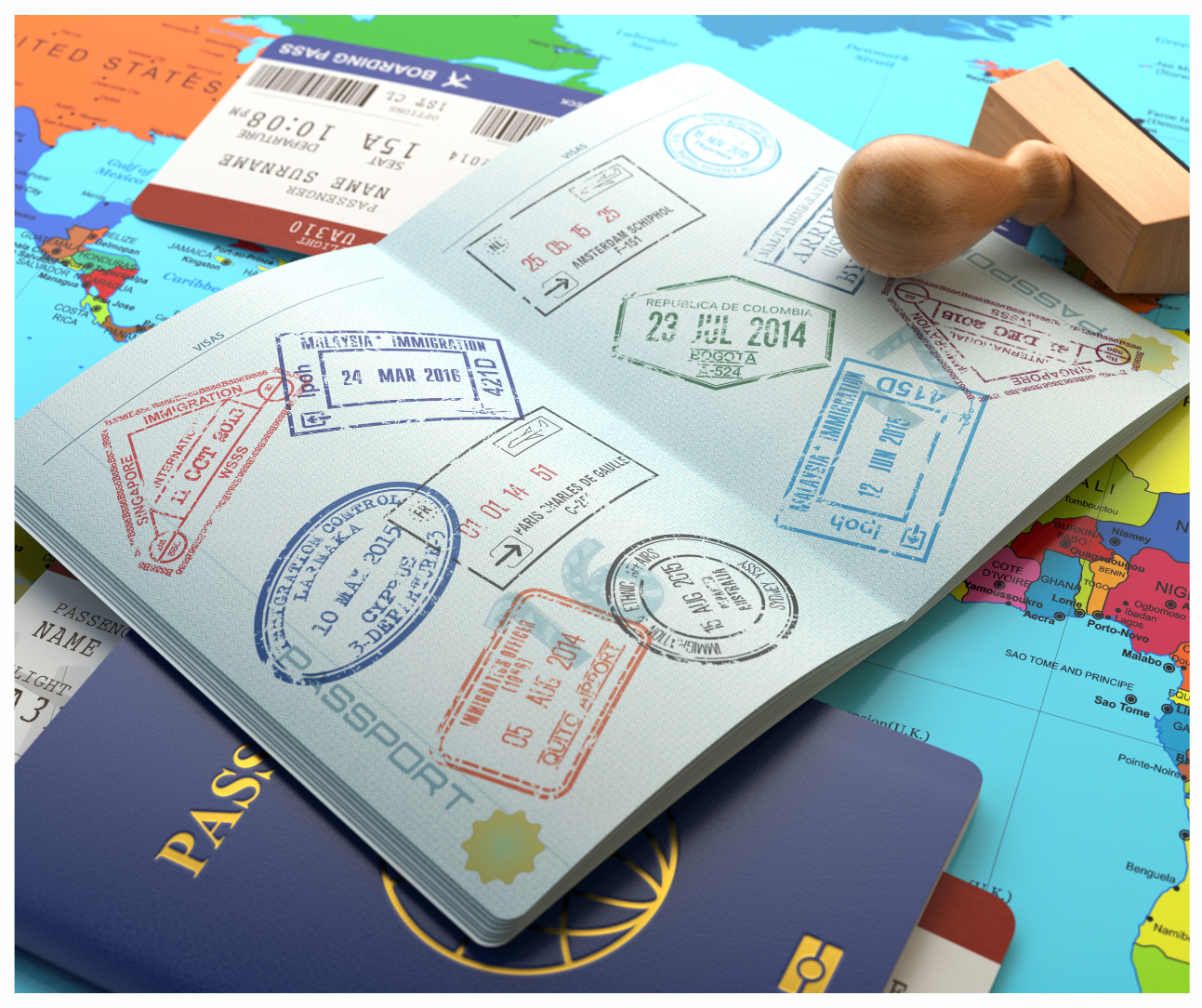
If you have read anything about traveling to Europe lately, you have probably run into two acronyms that sound alike and are easy to confuse: EES and ETIAS. Headlines have not always helped, and some websites have been confusing at best.
Here is the clear version. One of these is already in effect. The other is not yet operating.
EES: the Entry/Exit System (already live)
The Entry/Exit System is a digital border system that registers non-EU travelers when they enter and leave the Schengen Area. It replaces the traditional passport stamp with a digital record.
It began rolling out in stages in October 2025, and the EU's official travel information site indicated full implementation by April 10, 2026.
What it means for you:
- On your first entry, border officers register your passport details, a facial image, and fingerprints.
- After that, subsequent crossings are faster, because your data is already on file.
- The system tracks the length of your stay against the standard allowance of 90 days in any 180-day period.
It is not a visa and it does not cost money. US citizens still travel visa-free for short stays.
What to expect in practice: Allow a little extra time at the border on your first trip, particularly at busy airports. Some airports have self-service kiosks to speed things up. Border procedures can vary by country and by day, so build some cushion into tight connections.
ETIAS: the travel authorization (not yet operating)
ETIAS is a separate online authorization, comparable in concept to the US ESTA program. Once it is operating, visa-exempt travelers, including Americans, will need to apply online before traveling to participating European countries.
Key points about ETIAS:
- It is not yet operational. There is no application portal open for travelers.
- The launch date has slipped repeatedly. The EU had indicated a target of the last quarter of 2026, but some reports now suggest that timeline has been removed from the official site and that a 2027 launch is more likely. No firm date has been confirmed, so treat any specific date you see online with caution.
- The fee has been reported as €20, with approval valid for multiple years, but confirm the details on the official site once it opens.
- When it launches, a transition period is expected before it becomes strictly mandatory.
What you should do right now
For trips this winter and spring: Nothing special regarding ETIAS. You do not need it, and you cannot apply for it. Make sure your passport meets the requirements: it should be valid for at least three months beyond your planned departure from the Schengen Area and issued within the last ten years. Many airlines enforce those rules strictly.
For trips in 2027: Keep an eye out for official announcements, and check the requirements again before you travel.
Beware of look-alike websites
When a system like ETIAS is in the news, imitation sites appear. Some charge fees for an application that does not exist yet, or add large service charges for something that should be inexpensive.
The rule is simple: only use official government sources. Start at the European Union's official travel site, travel-europe.europa.eu, and the US State Department's travel pages at travel.state.gov. If a site is asking for payment to "apply now" for ETIAS before it officially launches, walk away.
A quick checklist before any Europe trip
- Check your passport's expiration date against the three-month rule.
- Confirm the current entry requirements for every country on your itinerary.
- Allow extra time for border processing, especially on connections.
- Keep documents handy: proof of accommodation and onward travel can be requested.
- Sign up for the State Department's Smart Traveler Enrollment Program for alerts.
Do these rules apply everywhere in Europe?
Not quite. The Schengen Area does not include every European country. The United Kingdom, for example, has its own separate requirements, including an electronic travel authorization system that is already in effect. Ireland, Cyprus, and a handful of others are also outside the Schengen system in various ways. If your itinerary crosses several borders, it is worth confirming each one.
Why this matters for planning
Border procedures rarely ruin a trip, but they can add stress to tight itineraries and short connections. Knowing what is real, what is coming, and what is a scam is part of traveling with confidence.
Jaunt Around Travel keeps track of entry requirements so our clients do not have to. Rules change frequently; always verify with official government sources before you travel.