
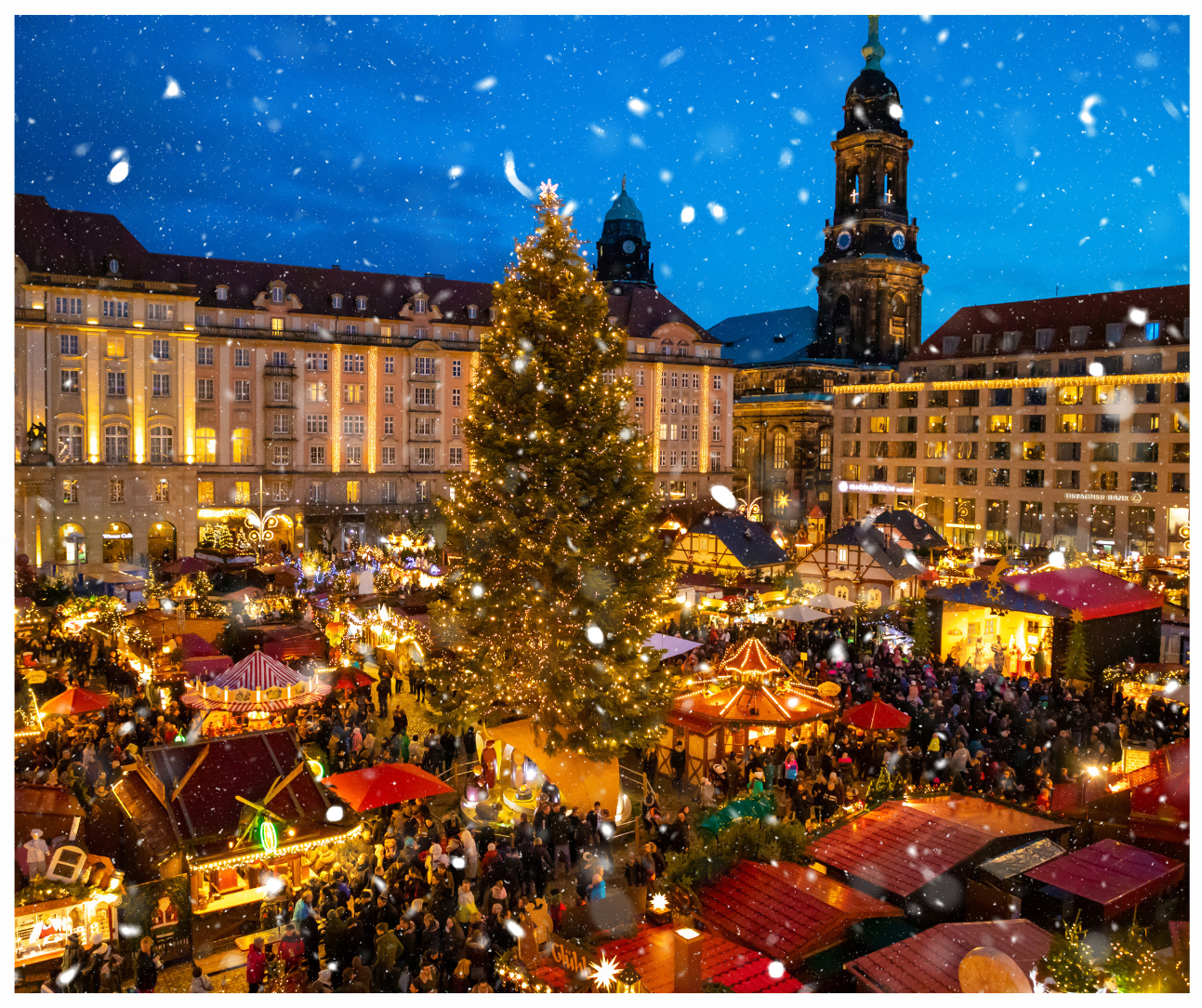
There is a reason people cross an ocean for a cup of hot spiced wine in a cold square. A good Christmas market is more than shopping. It is a combination of light, smell, sound, and a crowd of people who are all, briefly, in a better mood than usual.
But the best ones are also genuinely popular, and a little planning is the difference between a magical week and a week spent shuffling through a crowd. Here is how to think about it.
First, understand the calendar
European Christmas markets are tied to Advent, the four weeks before Christmas. In 2026, Advent begins on Sunday, November 29. Most major markets open in the days around that date, though some open earlier.
Opening and closing dates vary by city and sometimes by individual market within a city, and they are not always published far ahead. As a rough guide for 2026, Vienna's Rathausplatz market is expected to open in mid-November, while Nuremberg's Christkindlesmarkt traditionally opens on the Friday before the first Sunday of Advent. Cologne's markets open in mid-to-late November, and Prague's typically run from late November into early January.
Always confirm exact dates with the official tourism board or market website before you lock in flights. Some sites still display last year's dates, which is a common trap.
The markets worth building a trip around
Vienna, Austria. The Rathausplatz market in front of City Hall is the headline act, but Vienna has many markets, each with a different personality. Pair it with the city's coffeehouses, opera, and museums. It is one of the strongest choices for travelers who want culture alongside the festivities.
Nuremberg, Germany. The Christkindlesmarkt is among Germany's most famous and one of the oldest. It is atmospheric and traditional, set in the city's historic center. Look for the gingerbread and the Nuremberg sausages.
Cologne, Germany. Cologne has several markets, with the setting beside the cathedral being the most photographed. It is a practical hub for a rail-based trip.
Strasbourg, France. Often called the capital of Christmas, with hundreds of stalls spread around the old town and the cathedral. Confirm its 2026 dates carefully, as they are not always published as early as some other markets.
Prague, Czech Republic. The Old Town Square market is a spectacle against the backdrop of the astronomical clock and Gothic towers. It also stays open longer than most, often running into the new year.
Salzburg, Austria and Innsbruck, Austria. Smaller and more intimate, with Alpine scenery. A good fit if you want less spectacle and more atmosphere.
How to structure a trip
The most satisfying market trips are built around rail, not air. Central Europe has excellent train connections, and moving by train means you skip the airport and arrive in the middle of town.
A few sample shapes:
- The classic Germany loop: Cologne, then Nuremberg, with easy day trips in between.
- Imperial capitals: Vienna and Prague, often combined with Budapest.
- Alsace and the Rhine: Strasbourg with the nearby village of Colmar.
A week usually feels right for two or three cities. Trying to see five in a week turns the trip into logistics.
Timing: early versus late
The first week or two after a market opens tends to be calmer than the weeks closer to Christmas. Weekends are busiest everywhere, and the closer to December 25, the more crowded it gets. Weekday visits, and early or late in the day, are your friend.
If you can travel in late November or the first half of December, you will get the festive atmosphere with fewer crowds. Travel the weekend before Christmas and you are signing up for crowds.
What to book early
Hotels in the old town. The most convenient and charming properties near the markets are the first to sell out. Book as early as possible, and look for flexible rates.
Rail tickets. Advance fares on European trains are cheaper, and popular routes fill up around the holidays. Seat reservations are worth having on busy days.
River cruises. Christmas market sailings on the Danube and Rhine are a popular alternative to hotel-hopping and tend to sell out early. They unpack once and let the scenery come to you. They are not for everyone, but they suit travelers who dislike changing hotels.
Practical tips
- Dress for it. You will be outdoors for hours in the cold. Layers, good boots, and warm gloves matter more than anything else you pack.
- Bring cash. Many stalls are cash-only or prefer it, so carry some euros or local currency.
- Try the mug system. Many markets serve mulled wine in a collectible mug with a small deposit you can get back by returning it, or keep as a souvenir.
- Check entry rules. Europe's new Entry/Exit System is now live, and a separate travel authorization called ETIAS is planned but has no confirmed start date. Read our guide to EES and ETIAS before you go.
Getting the pieces to fit
A Christmas market trip works best when the hotel, the rail legs, and the timing are all lined up. Because the best rooms disappear early, it pays to start now.
Jaunt Around Travel designs European itineraries around how you like to travel, not just where the markets are. Market dates and policies change; confirm with official tourism sites before booking.